Professional Lightning Detector Buyer’s Guide
Choosing the right professional lightning detector is an investment in safety and uptime. Whether you’re protecting industrial sites, outdoor venues, or critical infrastructure, modern detectors deliver early warnings that prevent downtime and injuries. This buyer’s guide covers the core features you need to understand, how to compare technology options, and how to evaluate cost vs. performance to choose the best system for your needs.
What Is a Professional Lightning Detector?
A professional lightning detector monitors atmospheric electrical activity, detects and tracks strike locations, and sends alerts before and during events — integrating with your safety systems. Unlike consumer products, professional detectors offer greater accuracy, integration with facility controls, and scalable coverage areas.
Key Features to Compare
Detection Method
There are three main approaches to lightning detection:
- Electric field (E‑field) — measures field strength changes
- Magnetic field (H‑field) — measures current changes
- Combined systems — use both for increased accuracy
Professional sites often benefit from combined detection, which reduces false alarms and improves strike location precision.
Detection Range & Accuracy
Look for systems with long detection ranges (km-scale), high strike location precision (±1–2 km), and low false alarm rates. These factors matter especially when integrating with operational safety protocols or SCADA/PLC systems.
Alerts & Integration
Top professional detectors offer real‑time alerts via SMS and email, PLC/SCADA integration, cloud dashboards, and API data access — allowing seamless incorporation into existing site safety systems.
Environmental Durability
Professional systems must be IP‑rated waterproof, lightning hardened, and rated for extreme temperature and humidity environments. Look for proven field deployments in comparable conditions to yours.
Reporting & Analytics
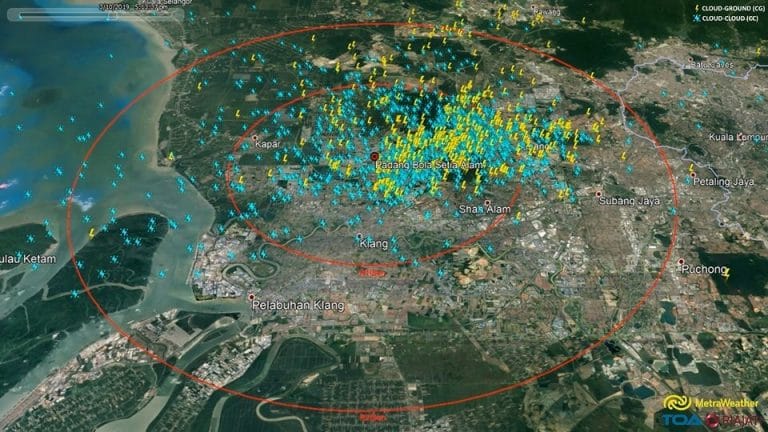
Good systems provide strike maps, historical data, and risk dashboards. These capabilities support compliance with standards such as IEC 62305 and help you demonstrate due diligence to regulators and insurers.
Cost Considerations
Costs vary based on detection range, number of sensors required, integration complexity, and software and support packages. A single-sensor solution for a small site will differ significantly from a multi-sensor network for a large industrial complex. Always evaluate total cost of ownership, including installation, calibration, and firmware updates.
Choosing the Right Detector for Your Site
The right system depends on your site scale and risk profile:
- Small site: A single sensor with local alerts is usually sufficient
- Industrial complex: A multi‑sensor network with centralised analytics provides better coverage
- Critical infrastructure: An integrated early warning system with direct control system links is recommended
Installation & Maintenance Tips
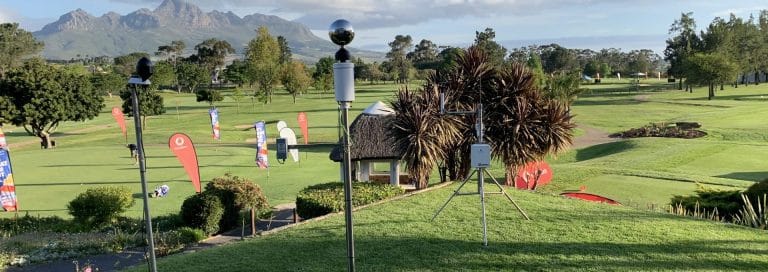
- Mount sensors away from metal obstructions that could interfere with field measurements
- Perform regular calibration checks to maintain measurement accuracy
- Keep firmware updated to benefit from the latest detection algorithm improvements
- Integrate lightning data with your Surge Protection Device (SPD) and Lightning Protection System (LPS) reporting
The Right Choice for Malaysia’s Climate
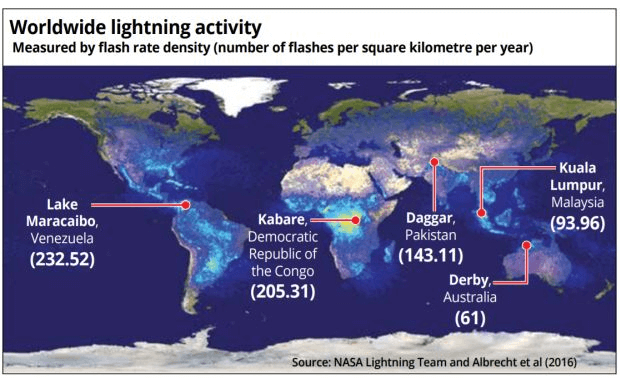
Malaysia experiences one of the highest lightning flash densities in the world, with frequent thunderstorm activity year-round — particularly on the Peninsula and in Sabah and Sarawak. For Malaysian industrial sites, plantations, data centres, and outdoor facilities, a professional lightning detector is not just a safety investment but an operational necessity. Early warning of even 15–30 minutes can allow safe evacuation of personnel, secure shutdown of sensitive equipment, and significant reduction in lightning-related downtime.
Riajati Sdn Bhd supplies and supports professional lightning detection solutions from leading manufacturers for Malaysian and regional customers. Contact us for site-specific advice and quotations.