How Modern Lightning Detectors Keep People Safe

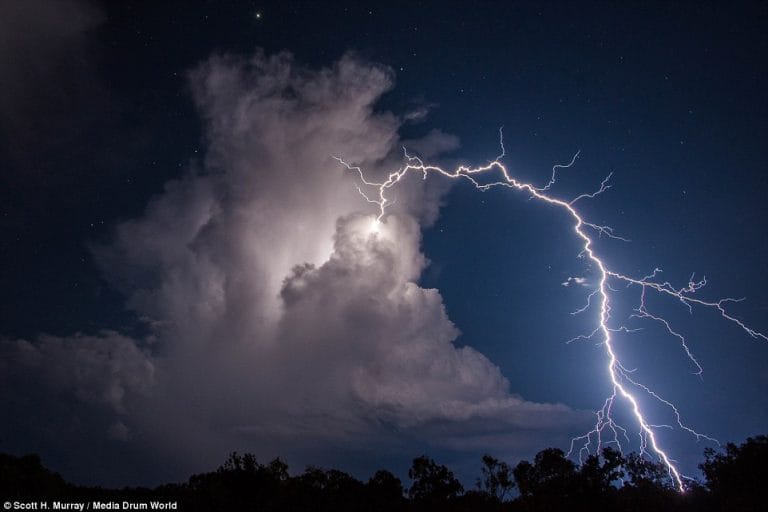
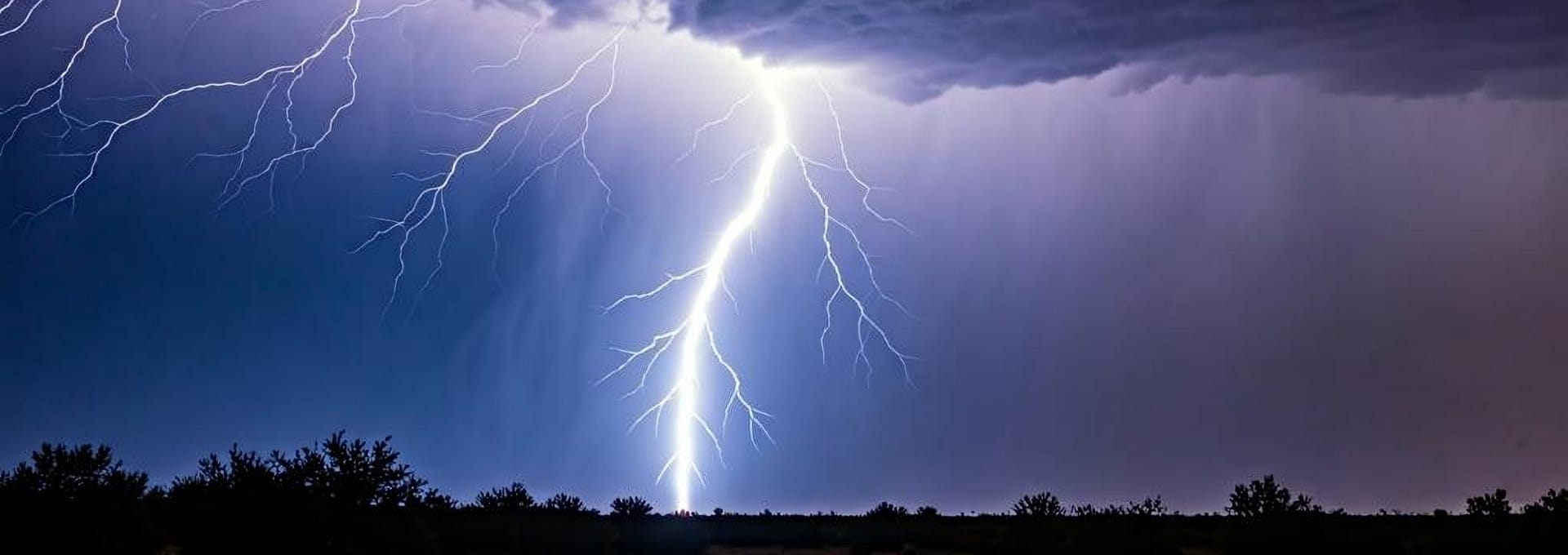
When storm clouds gather and thunder rumbles overhead, the last thing you want is to be caught off guard. Lightning is not just dramatic — it’s a real hazard responsible for injuries, fatalities, equipment damage, and costly operational downtime. That’s where a high-performance lightning detector becomes an indispensable guardian, offering early warning and critical decision support before the first strike arrives.
Why Ordinary Warnings Aren’t Enough
Traditional warnings — radar, weather apps, national lightning networks — deliver valuable data, but usually only when lightning is already happening or when storms are visible from afar. What about the first, unexpected flash overhead, or lightning forming locally before the storm system is in range of distant sensors? That’s the blind spot many systems can’t cover, and the most dangerous moment is precisely when you don’t see it coming.
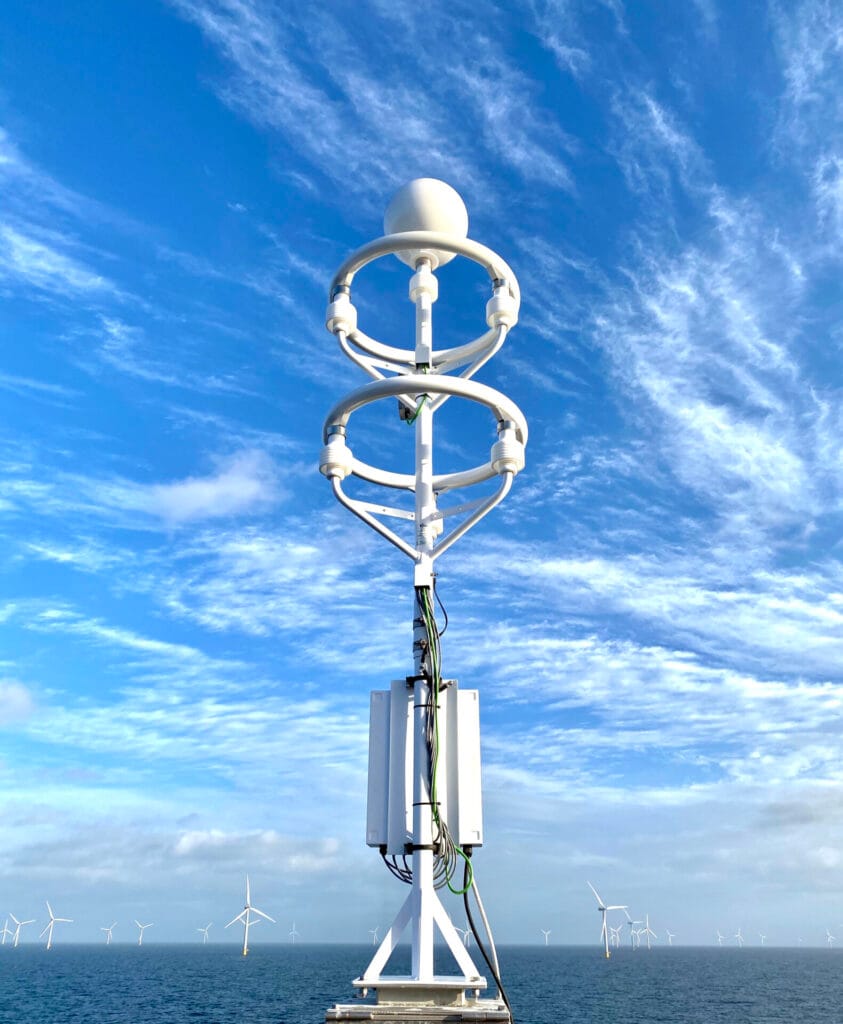
Modern lightning detectors, especially those using quasi-electrostatic sensing, bridge that gap. They don’t rely solely on radio signals (which are vulnerable to interference) but track changes in atmospheric electric fields and charged precipitation — giving them the ability to detect risk before the first strike occurs.
The Technology Behind the Warning
Leading professional devices combine multiple sensing modes to maximise both coverage and accuracy:
- Electrostatic field measurement: Detects subtle changes in the local electric field (below ~50 Hz), signalling the atmospheric build-up that precedes a thunderstorm
- Range estimation: Once a discharge occurs, the sensor estimates strike distance, helping gauge the approaching threat level
- Multi-type detection: Identifies cloud-to-cloud, intra-cloud, and cloud-to-ground discharges for a fuller picture of storm activity
- Low false alarm design: Electrostatic signals are less prone to interference than radio-based systems — in trials, false alarm rates below 2% are common
When a detector senses danger, it communicates with monitoring software or triggers local alarms and relay outputs to warn personnel in real time.

Where Lightning Protection Is Critical
The value of a lightning detector depends on where and how it’s deployed. Here are the key environments where professional early warning makes a measurable difference:
Schools and Educational Campuses
Schools present a unique lightning risk: large open playing fields, outdoor sports sessions, and the responsibility of keeping children and staff safe. A lightning alarm integrated with a school’s tannoy or bell system can initiate an orderly evacuation of outdoor areas with 15–30 minutes of advance warning — long before most parents or students would even notice a storm approaching. For primary schools, secondary schools, and university campuses with outdoor facilities, a detector is a straightforward addition to any safety protocol.
Golf Courses
Golfers on open fairways carrying metal clubs are among the most exposed lightning casualties worldwide. Golf courses are legally and reputationally obligated to clear players from the course when lightning risk is imminent. A dedicated thunderstorm detector — typically mounted at the clubhouse — gives course managers the ability to sound a warning siren and evacuate players well before a strike, rather than reacting after lightning is already visible. Many courses integrate the detector with automated sirens at multiple points across the course for comprehensive coverage.
Ports and Harbours
Port operations involve tall cranes, exposed quayside workers, fuel handling, and vessels with sensitive electronics — all highly vulnerable to lightning. A direct strike on a crane or fuel installation can cause catastrophic damage and injury. Early warning allows crane operators to lower booms and secure equipment, ground crew to take shelter, and fuel operations to be suspended before a storm arrives. For container terminals, ferry ports, and marine fuel depots, a lightning detector is both a safety and business continuity investment.
Factories and Industrial Sites
Outdoor industrial operations — including construction sites, refineries, chemical plants, and manufacturing yards — face significant lightning risk to both personnel and equipment. Sensitive electronic systems, outdoor process equipment, and workers on elevated structures or in exposed areas need advance warning to enable safe shutdown and shelter procedures. Lightning detectors can be integrated directly with SCADA and PLC systems to trigger automated safety responses: pausing crane operations, activating emergency stop sequences, or alerting site supervisors via SMS and email.
Outdoor Events and Leisure Sites
Stadiums, festivals, theme parks, and sports venues need fast, reliable alerts before evacuations become urgent. When tens of thousands of people need to move to shelter, advance warning of even 20 minutes can make the difference between an orderly evacuation and a dangerous rush.
Airports and Aviation
Runways and ramp areas are exposed — ground crew are among the most at-risk workers during thunderstorms. Long-range detectors (up to ~83 km) help airports meet regulatory safety margins and protect ground handling teams before aircraft turnaround operations become dangerous.
Choosing the Right Detector
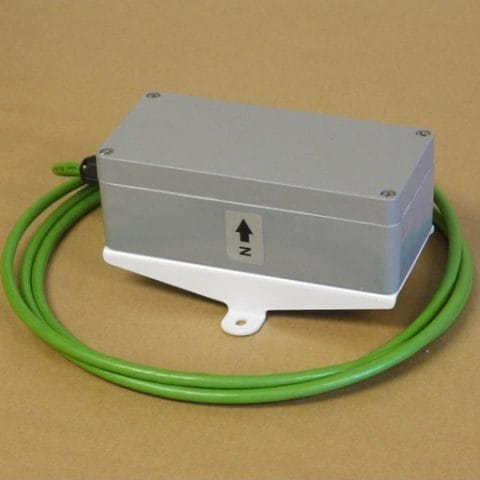
When evaluating a lightning detection system, consider these key factors:
- Detection range: Short-range (~35 km) systems suit local sites; long-range (~80+ km) systems are better for large facilities or airfield planning
- False alarm rate: Lower is better — false alerts erode trust and lead to “cry wolf” complacency that undermines safety culture
- Detection modes: Combined electrostatic and range-based systems offer better coverage than radio-only detectors
- Interfaces and outputs: Ensure compatibility with your existing software, PLC/SCADA relays, sirens, and alert systems
- Durability and certification: Look for appropriate IP weatherproofing ratings and compliance with relevant standards such as EN 50536 and IEC requirements
Lightning Safety in Malaysia
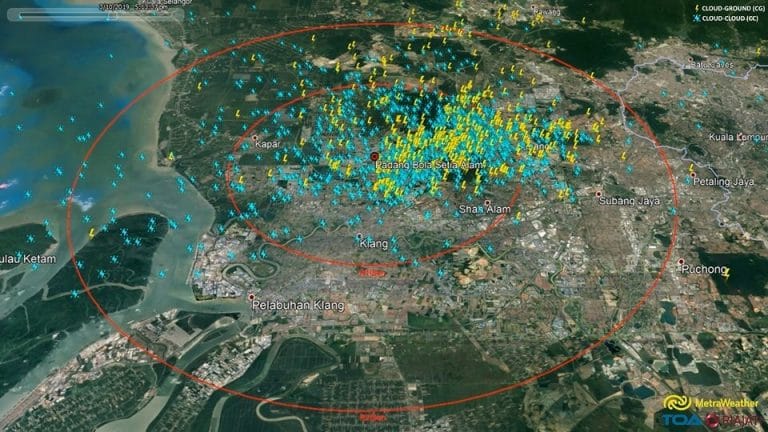
Malaysia has one of the highest lightning flash densities on earth, with the Klang Valley, Johor, and parts of Sabah and Sarawak experiencing hundreds of thunderstorm days per year. For Malaysian schools, golf courses, ports, airports, factories, and facility managers, a professional lightning detector transforms a reactive response into a proactive strategy — providing the advance awareness needed to protect people and assets before storms arrive.
By giving operators early, reliable warning of atmospheric electrical buildup, modern detectors help turn unpredictable weather into a manageable operational risk. Riajati Sdn Bhd supplies professional lightning detection solutions from leading manufacturers including Biral (Senseca UK). Contact us to discuss the right solution for your site.