Malaysia’s National Stadium at Bukit Jalil — a Biral BTD-200 Lightning Warning Reference Site
Third-highest lightning activity in the world
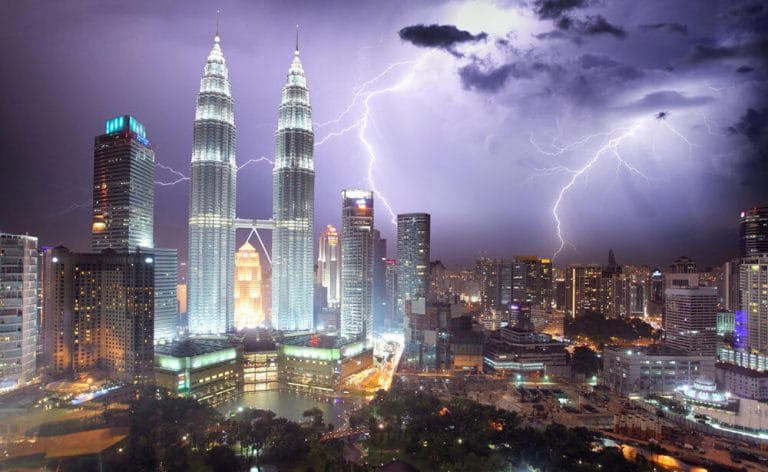
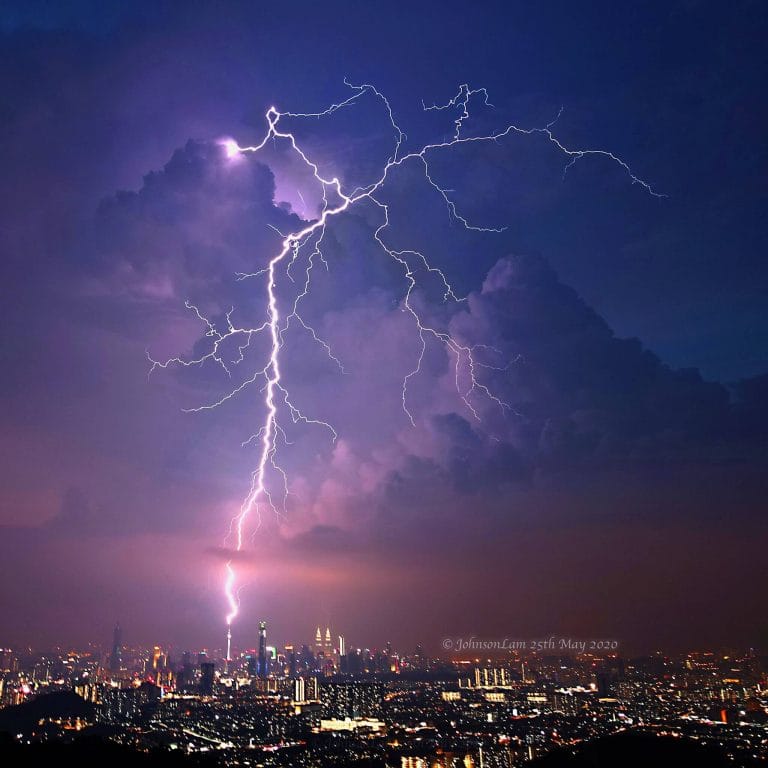
Malaysia sits under one of the most electrically-active atmospheres on the planet. Only a handful of tropical countries record more thunderstorm days per year, and the intensity ramps up sharply during the inter-monsoon transitions in April–May and September–October. Between 2008 and 2017, more than 100 people were killed by lightning strikes in Malaysia. For outdoor venues — sports fields, event grounds, construction sites, industrial yards — a reliable early warning is not an operational nicety. It’s a safety-of-life system.
The site: Stadium Nasional Bukit Jalil
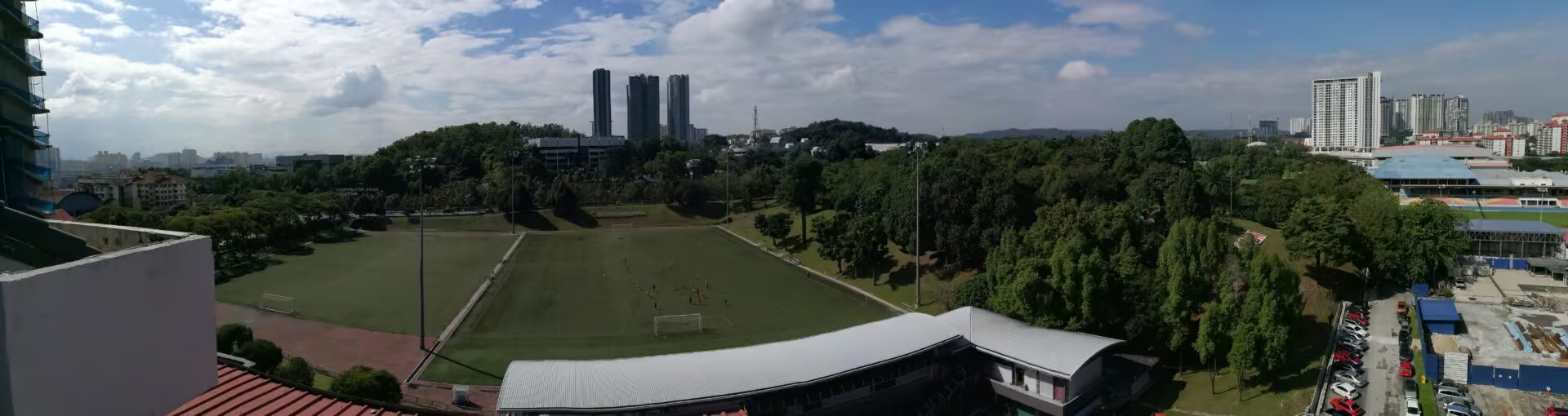
Stadium Nasional Bukit Jalil is the largest stadium complex in Malaysia. Beyond the main bowl, the site includes nine training and match football fields, an aquatics centre, an indoor arena, and athlete accommodation — spread across a wide footprint where all outdoor activity is exposed to whatever the sky is doing. When a fast-moving convective cell approaches, there is no roof to close, and the decision to clear the pitch has to be made minutes in advance, not seconds.
The solution: Biral BTD-200 with Lightning Works
The venue is protected by a Biral BTD-200 Lightning Warning System — a complete self-contained detection and warning solution developed from Biral’s aviation-grade BTD family. Unlike consumer-grade RF detectors that only see a strike after it has already happened, the BTD-200 uses a quasi-electrostatic detection principle: it measures the slow buildup of atmospheric electric charge in the local area, including the charge on falling precipitation. That lets the system warn operators before the first cloud-to-ground flash, out to a range of 35 km (22 miles).
Coverage design
To cover the whole complex from a single sensor, the BTD-200 was mounted on the rooftop of the neighbouring eight-storey athlete apartment building — giving the sensor a clean electrostatic view over the entire stadium footprint. A tsunami-style warning siren was mounted alongside the sensor to broadcast the alert across the fields when the system triggers.
How the alerts flow
The detector feeds Biral’s Lightning Works PC application, which displays the real-time proximity of any electrical activity and drives the on-site siren automatically when a defined threat threshold is crossed. Ground staff and event managers get the alert in the same moment on-screen, and the Lightning Works Messenger add-on can push SMS and email notifications to a distribution list of duty managers who may not be at the console.
Why the BTD-200 fits this class of site
- 35 km detection radius — a single sensor covers the whole complex plus a buffer for approach warning
- Detects all forms of lightning, including intra-cloud events that often precede the first dangerous cloud-to-ground strike
- Non-specialist installation — designed to be commissioned by facility contractors, not meteorologists
- Passive quasi-electrostatic principle — no calibration drift, no moving parts, low maintenance over the 10+ year service life the BTD family has demonstrated in the field
- Modular — optional dual-radio warning, sirens, remote displays, and Messenger notifications can be added as the site’s requirements grow
What this means for other Malaysian and ASEAN venues
Stadium Bukit Jalil is one of the more visible BTD-200 deployments in the region, but the same argument applies to any large open-air venue in the ASEAN belt: outdoor sports fields, schools with open assembly areas, industrial yards, oil & gas construction sites, solar farms, and leisure operations all face the same tropical thunderstorm risk. The BTD-200’s 35 km range is sized right for a single-facility deployment; larger sites (airports, wind farms, port complexes) typically step up to the BTD-300 with its 83 km radius.
See our earlier post on the 14-year track record of the BTD family for background on the technology, or the Biral lightning installations page for reference deployments across the region.
Talk to us
Riajati is the current authorised Biral distributor for Malaysia. If you’re evaluating lightning protection for a stadium, campus, industrial site, or event venue anywhere in ASEAN, get in touch — we’ll help you scope the right sensor, coverage plan, and warning setup for your site.
Source: Biral’s original announcement. Original Bukit Jalil deployment credit: Biral and its local partner Jebsen & Jessen. Riajati Sdn Bhd is the current authorised Biral distributor for Malaysia.