
Smart Waste Bin IoT Solution in Malta — and Why It Works for Malaysia
As urban populations grow, managing waste efficiently becomes an increasing challenge. Traditional waste management systems rely on fixed schedules for garbage collection — leading to unnecessary fuel consumption, higher operational costs, and negative environmental impact. Milesight’s IoT solution is changing that, one smart bin at a time.
Project Overview
Location: Zejtun, Malta
Partner: AIS Technology Ltd.
Devices Deployed: Milesight EM310-UDL Ultrasonic Distance/Level LoRaWAN® Sensors
The Challenge
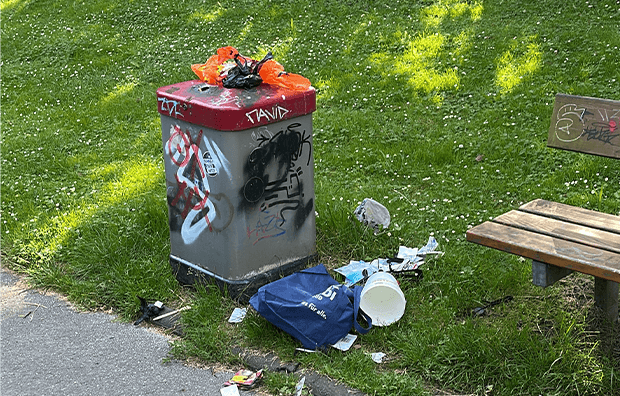
A large number of bins used to collect recyclable waste — plastic, paper, metal, and glass — are scattered across the island of Malta. Managing the logistics for such a large network of bins required sensors that could:
- Communicate reliably across the entire island using a minimal number of gateways
- Operate on long-life batteries to avoid costly and difficult maintenance across hundreds of locations
- Provide accurate fill-level data to enable smarter, on-demand collection scheduling
Without real-time fill-level data, routes were predetermined, leading to overflowing bins during peak periods, wasted pickups, unnecessary fuel consumption, and public health concerns.
The Solution: Milesight EM310-UDL
AIS Technology Ltd. selected the Milesight EM310-UDL — a LoRaWAN® ultrasonic distance and level sensor — to equip the bins across Malta. With dual ultrasonic beams capable of measuring from 3 cm up to 450 cm and an ultra-short blind zone, the EM310-UDL provides precise fill-level data even in challenging bin environments. Its built-in 3-axis accelerometer also detects if a bin has been moved or tipped.
The sensors connect to a LoRaWAN® network server, transmitting data to a central database. A website and mobile application then display real-time fill levels to waste management teams, enabling:
- Managers to know exactly when and where bins need collection
- Citizens to check the nearest bin site without full bins before making the trip
- Route optimisation to minimise unnecessary journeys across the island
Results
- Efficient Collection: Real-time fill-level data enables optimised routes, eliminating unnecessary pickups
- Cost Savings: Reduced fuel consumption and streamlined scheduling lower operational costs significantly
- Environmental Impact: Fewer unnecessary collection trips mean a reduced carbon footprint
- Data-Driven Decisions: Historical analytics empower managers to allocate resources more sustainably
Why Milesight?
AIS Technology cited several advantages of choosing Milesight: the easy-to-use configuration interface (programmable directly from a smartphone via NFC), and a support team that responds quickly to any issues or questions — critical when managing a large-scale deployment across an entire island.
“By leveraging the capabilities of IoT, Milesight revolutionizes waste management, making cities cleaner, greener, and more sustainable.”
How This Can Be Implemented in Malaysia
Malaysia faces similar waste management challenges — rapid urbanisation, inconsistent bin fill levels, and high operational costs for collection. This Malta model is directly applicable across Malaysian cities and municipalities:
- Urban Recycling Programmes: Municipalities like DBKL, MBPJ, MPSJ, and MPAJ run city-wide recycling bin networks. Equipping these with EM310-UDL sensors would enable data-driven collection, reducing truck mileage and costs.
- Residential Areas & Condominiums: High-density housing areas with multiple bin points could use smart monitoring to prevent overflow and reduce complaints from residents.
- Smart City Initiatives: Under Malaysia’s Smart City Framework and the MyDIGITAL agenda, smart waste management is a key pillar. LoRaWAN® sensors offer low-cost, wide-area coverage — ideal for Malaysia’s mix of dense urban and sprawling suburban areas.
- Tourism & Heritage Areas: High-footfall tourist zones like Melaka, Penang Georgetown, and KLCC experience unpredictable bin fill rates. Real-time monitoring keeps these areas clean for visitors.
- Industrial Estates & Free Trade Zones: Areas like Shah Alam, Klang, and Bayan Lepas generate consistent industrial waste — sensor-equipped bins allow facilities managers to optimise collection schedules.
With Malaysia’s existing LoRaWAN® network infrastructure growing and the government’s commitment to digital transformation, deploying a Malta-style smart waste system is both technically feasible and cost-effective. The EM310-UDL’s long battery life — up to several years — makes it particularly well-suited to the Malaysian context, where ongoing sensor maintenance across hundreds of locations would otherwise be prohibitively expensive.